


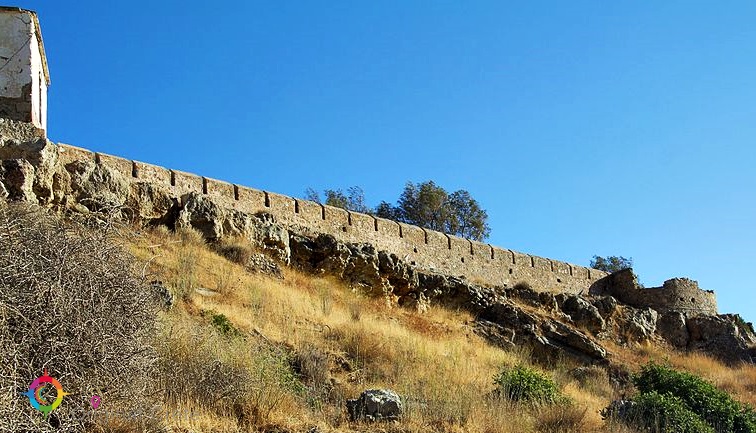
Fortress of Selinos
- LocationOn Fortetsa Hill, south of Paleochora, Chania
- ConstructionBuilt in 1279 by the Venetians to control the surrounding region and the sea route to Africa
- ArchitectureA nearly rectangular fortress, with towers at the corners and a wall protrusion on the northwest side due to the steep terrain
- ExcavationsPottery, weapons, coins, and a frescoed church were discovered
- DestructionDestroyed in 1539 by the pirate Hayreddin Barbarossa and captured by the Ottomans in 1653
- ReconstructionIn the 19th century, the Ottomans rebuilt a small fort on the ruins
- UsageIt was used during the German occupation for defensive purposes
- AttractionToday, it serves as a tourist attraction offering stunning views of the sea
On the hill of Fortetsa, south of Paleochora, Chania, lie the ruins of the Selino fortress, built by the Venetians in 1279. Like other significant Venetian fortifications in Crete, it was nearly rectangular, with walls designed to defend against attacks by both land and sea. A notable feature was the wall's protrusion on the northwest side due to the steep terrain.
Inside the fortress, there were two-story buildings, and strong towers fortified its corners. Excavations have revealed pottery and everyday objects, weapons, coins, and a frescoed church built over a vaulted reservoir. These findings offer valuable insights into the life of residents and soldiers during the tumultuous period before the Ottoman conquest of Crete.
The fortress was destroyed several times, with the first major destruction occurring in 1539 by the pirate Hayreddin Barbarossa. The Turks captured it in 1653, after which it was abandoned and fell into ruins. In 1867, the Turks built a small fortification on the old ruins, which was later used during the German occupation.
Today, the fortress is a tourist attraction offering visitors the chance to explore the ruins and enjoy stunning views of the sea.


